



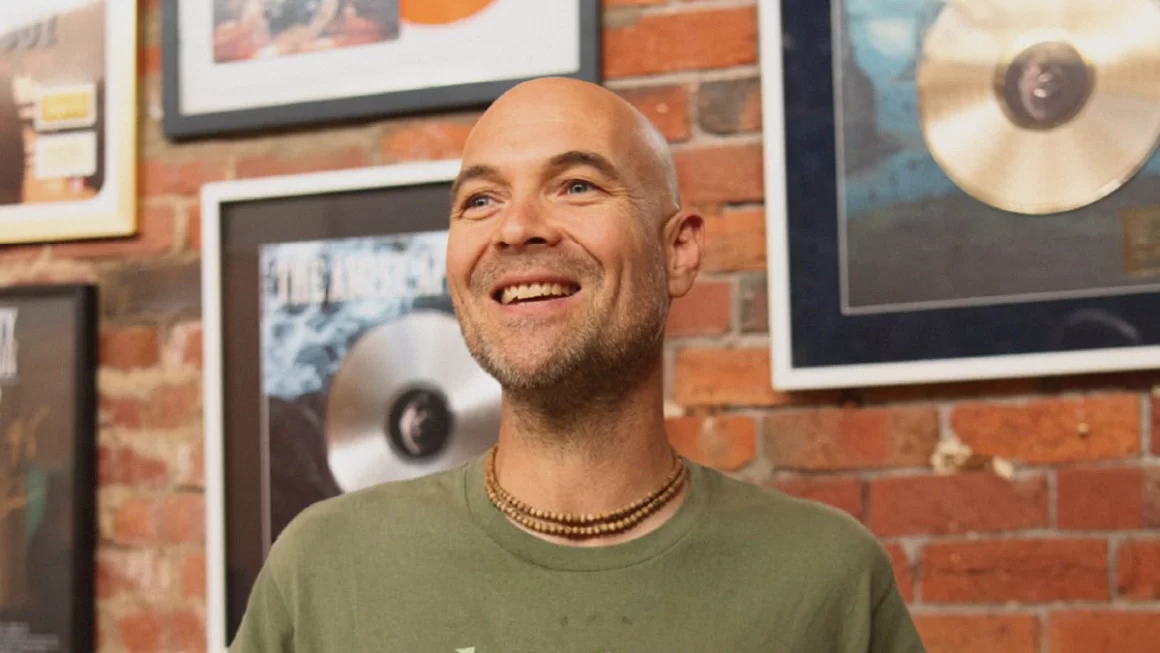
For Caleb Williams, the move into management came at a practical moment. He was already handling one band while touring and wanted to step off the road.
“I was just looking for a change. I was managing one band already and needed a break from touring. It was a bit of luck that Unified needed someone at that time and that my skillset fit what they were looking for.”
Fourteen years later at Unified Music Group, his work spans artists with very different audiences and expectations, from heavy acts to devotional and kirtan performers. The job, he says, shifts depending on who he’s working with.
Different artists, different outcomes
Williams avoids a fixed definition of success. “A happy artist achieving their goals is success. These acts are polar opposites in what they do and what the goals are. No artist is ever the same. You can’t judge success solely on finances or exposure. They need to be happy creatively and personally as well.”
That difference shows up more clearly with artists working outside mainstream pop structures, where scale, touring and audience behaviour do not follow the same patterns.
Working in devotional and kirtan music

With artists like Radhika Das, the core management setup remains familiar, but the live environment changes. “Outside of shows, a lot of the structures are the same. But shows and venues are very different. You’re creating a meditative space for the band and the audience.”
Touring is less standardised. “Musicians can change from country to country or even town to town. Recording is very different also. The live touring circuit is still fresh and everyone is working out where it sits.”
Also read: Radhika Das on bringing devotional music into India’s live touring circuit
Choosing what not to do
A larger pool of opportunities has made selection more important.
“There are so many podcasts out there now, so those need to be fully vetted. A lot of private shows also just don’t make sense to do anymore.” Decisions, he says, are taken case by case, depending on timing and the artist’s priorities.
Where live music is heading
Williams expects shifts in touring economics but not a structural drop in demand.
“Live music has always been around and evolving. People love the emotion and connection of watching live music. Fees may go down and crowds a little as well, but it’s part of how things move. I don’t think that’s long term.”
Mental health in practice
Williams has spoken publicly about mental health, but draws a clear boundary around the manager’s role. “Most managers aren’t trained psychologists, so we shouldn’t try to give too much advice. We can be there for them and recognise the signs when the artist needs a break.” That awareness, he says, is part of day-to-day management.
Spotting long-term potential
When considering new artists, Williams relies on direct interaction rather than early data points. “I try not to look at anything until I’ve seen them play live and spoken to them in depth. You need to hit it off personally to have a long lasting relationship.”
Live performance remains central to that assessment. “You’re listening for the songs, live performance, stage presence.”
What the role demands now
With a nomination at the Association of Artist Manager‘s 5th Annual Billboard awards this year, Williams describes the role as situational.
“What makes a good manager for one artist can be a completely different thing to another. Doing the basics well, communication, negotiating, structures, timelines and planning, are always vital. But the personal connection is very important. You need to be passionate about the project.”
Across genres, the approach stays grounded in the artist relationship. The variables change, but the job remains close to the same core idea: understanding what the artist is trying to build, and shaping decisions around that.