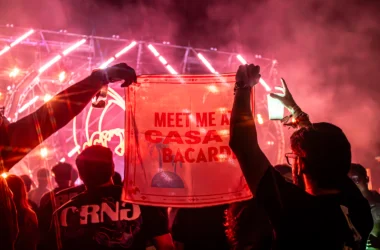




Devotional music has historically existed outside the commercial live circuit, most often presented within temples, community gatherings and spiritual spaces. In recent years, however, the format has begun to shift. Larger venues, ticketed shows and multi-city tours are increasingly becoming part of how bhakti and kirtan music is experienced.
London-based kirtan artist and Bhakti Yoga teacher Radhika Das has been among the artists helping shape that transition. Over the past decade, Das has built a sizeable international following through mantra gatherings and kirtan performances across more than 30 cities worldwide. His work combines traditional chants with structured live production and storytelling designed to make devotional music accessible to audiences encountering it for the first time.
Das completed a six-city India tour in November 2025 (with another tour coming up), bringing a format that he developed largely outside the country to audiences here. In a conversation with Music Plus, he spoke about building an audience internationally, the logistical realities of touring devotional music at scale, and the growing interest in spiritual music among younger listeners.
Building an audience outside India
Much of Radhika Das’s early audience growth took place internationally, a context that influenced the way he structures devotional gatherings today.
“Building an audience internationally taught me how to present kirtan in a way that is welcoming and accessible to people encountering it for the first time,” he says. “That experience naturally shaped the production, storytelling and structure of our live shows.”
When that format was introduced to Indian audiences, it created what he describes as an interesting bridge. The presentation may feel global in its structure, but the musical tradition itself is deeply rooted in Indian culture.
Devotional music and the touring format
For most of its history, devotional music has not operated within the formal touring ecosystem that surrounds other live genres. According to Das, that began to change over the past several years.
“Over the past five to seven years we began noticing growing demand for events at larger venues and multi-city tours,” he says. “Audiences were treating these gatherings as must-attend live experiences rather than informal community events.”
That shift has gradually made it possible to approach devotional music using the touring infrastructure typically associated with other live music formats.
Taking devotional music on the road
Das’s November 2025 India tour covered six cities and involved a scale of production that remains relatively uncommon in devotional music.
The primary challenges were logistical. “The biggest challenges were infrastructure and venue availability,” he explains. “Finding spaces that are suitable for large seated and standing audiences while maintaining sound quality and safety is still a developing area for this genre.”
Moving a full international band, crew and production setup across multiple cities also required careful coordination.
Different responses across cities
Audience behaviour varied depending on the city. Metro audiences tended to arrive already familiar with the format and engaged quickly with the performance.
“In non-metro cities there was sometimes more curiosity at the beginning,” Radhika Das says. “But the emotional engagement by the end of the night was just as strong, often even more expressive.”
Certain stops on the tour stood out. Pune and Bengaluru surprised the team both in terms of turnout and the level of audience participation. “It became clear that the appetite for devotional music extends far,” he says.
Shaping the live experience
As the tour progressed, the set evolved in response to how audiences were engaging with the performances.
“We adjusted pacing, storytelling and the balance between high-energy and meditative sections based on audience response,” Radhika das says. “Live touring always becomes a dialogue between the stage and the audience.”
Certain chants consistently generated the strongest collective response. Radhe Govinda and Om Namah Shivaya were among the moments where audience participation peaked. The Hare Krishna Maha Mantra also stood out for its participatory energy.
“These chants invite repetition and participation,” Radhika Das says. “They create a shared experience.”
A younger audience emerges
Das also noticed a clear shift in the audience profile during the tour. Younger listeners were particularly visible.
“Students and young professionals formed a significant portion of attendees,” he says, noting that the trend reflects a growing interest in spiritual music among younger audiences.
Equally striking was the number of families attending together. “What was more interesting for me was the attendance of families,” he says. “Generations united in mantra.”
Measuring success
Despite the scale of the tour, Das says success in devotional music is not measured purely in terms of numbers.
“Devotional impact is the most important measure,” he says. “Repeat attendance and audience growth are encouraging, but the real success is the depth of engagement and the sense of spiritual connection created during the gatherings.”
The wider rise of devotional music
Across both live events and digital platforms, devotional and bhakti music have seen renewed visibility in India in recent years.
Das believes the shift reflects a broader search for meaningful shared experiences. “People are looking for spaces that offer connection, emotional release and community,” he says.
He also believes that the interest is unlikely to fade quickly. “I believe the interest is sustainable because it is rooted in genuine spiritual, emotional and cultural needs rather than trends,” he says.
What comes next
Das says the focus now is on refining the experience further. “The focus is always on improving the experience,” he says. “Improving production quality, exploring new formats, going deeper in my own sincere connection and continuing to build long-term relationships with audiences across cities worldwide.”