



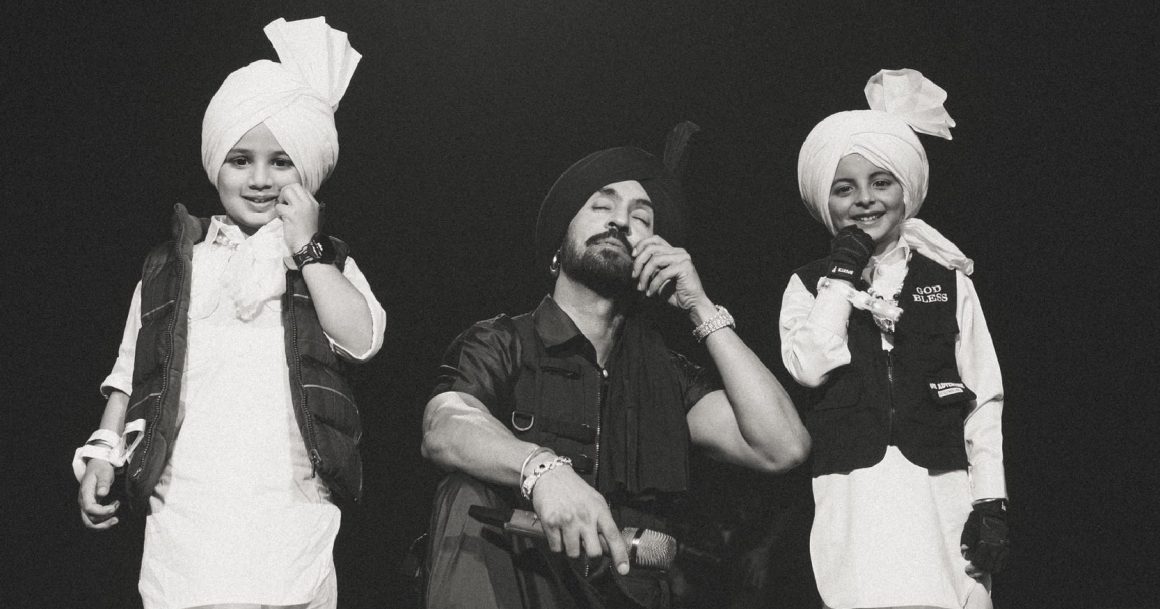
A new socio-economic impact report released by EY estimates that Diljit Dosanjh’s Dil-Luminati India tour generated a measurable economic impact of ₹943 crore across the country, underlining the growing scale of India’s live music market.
The report analyses the tour’s effect on ticketing, travel, hospitality, employment and brand partnerships during its run in late 2024.
Spanning 14 shows across 13 cities over two months, the tour sold more than 3.2 lakh tickets, making it one of the largest concert tours by an Indian solo artist.
Ticketing and tour economics
According to EY’s estimates, direct revenue from the tour stood at ₹276 crore, driven largely by ticket sales, which accounted for roughly 80% of the direct revenue pool.
Ticket sales alone contributed ₹221 crore, while sponsorships and on-site revenue streams such as food and beverage made up the rest.
The report also highlights pricing tiers as a major contributor to the revenue mix. Gold category tickets, priced between ₹7,999 and ₹11,999, generated 51% of ticketing revenue, followed by fan-pit tickets priced up to ₹21,999.
Strong spillover into travel and tourism
A large portion of the tour’s economic impact came from spending outside the concert grounds. The report estimates ₹553 crore in indirect revenue, largely driven by travel, food, hospitality and tourism activity linked to the concerts.
Transport and dining together accounted for nearly half of this indirect spending. Travel alone contributed ₹160 crore, while restaurants and other dining activity generated ₹133 crore.
Hospitality and tourism added another ₹181 crore combined, reflecting the scale of inter-city travel triggered by the shows.
The report notes that 38% of attendees travelled from outside the host city, and more than half of these visitors extended their stay by two to three days beyond the concert.
Employment and ecosystem impact
Beyond ticketing and tourism, the tour also generated substantial employment across the live events supply chain.
The study estimates over 118,000 man-days of employment, including 69,000 direct and 48,000 indirect man-days across sectors such as event production, logistics, hospitality and transport.
Security and crowd management accounted for roughly half of the direct employment generated during the tour.
More than 40 vendors were involved in delivering the production across cities, ranging from staging and lighting companies to logistics providers and medical services.
Brand partnerships and marketing scale
The tour also attracted over 15 brand partners, reflecting the growing commercial value of large-scale concerts in India.
District by Zomato served as the official ticketing partner, processing more than 1.2 lakh ticket orders for the tour.
Financial services brands also leveraged the concerts for customer acquisition and engagement. HDFC Bank reported a spike of over 75,000 new customers linked to a ticketing campaign tied to its Pixel credit card.
Other partners included HSBC, Levi’s, Coca-Cola, Diageo and Kingfisher, alongside marketing collaborations with companies such as Air India, Mokobara and OYO.
A growing benchmark for India’s concert economy
The Dil-Luminati tour ran between October and December 2024, beginning in New Delhi and concluding with a New Year’s Eve show in Ludhiana.
Across the run, the concerts collectively attracted audiences from nearly every state in India and generated over 4.5 billion social media impressions, according to social listening data cited in the report.
Taken together, the findings position the tour as a major case study for the economics of large-scale live music in India, illustrating how concerts can drive activity across tourism, hospitality, retail and local employment.
The full report is available here.