


Phonographic Digital Limited (PDL) has launched LyricMatic, a DIY platform that allows labels and music creators to create lyric videos and other visual assets from their music without requiring dedicated video-editing expertise.
The platform brings audio, lyrics and visual customisation into a single workflow. Users can upload a track directly or enter its ISRC code, allowing the song to be fetched from PDL’s COSMOS platform.
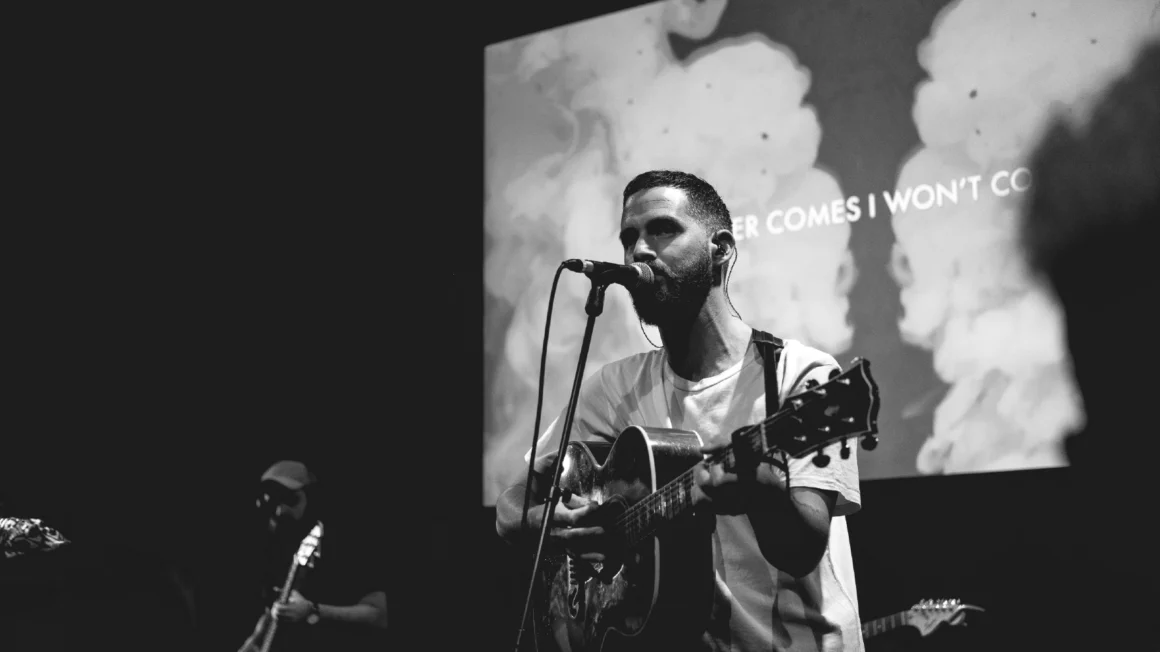
LyricMatic includes tools to create lyric videos using custom or theme-based visuals, with options to modify lyric placement, fonts, overlays, effects and other visual elements. Its integrated Subtitle Editor allows users to edit lyrics and adjust their timing before exporting the final video.
Where synchronised lyrics are not available, PDL says its in-house team can assist with creating time-stamped lyric files (SRTs).
The platform can also generate album artwork from the same audio, giving labels and independent creators another visual asset without having to build it separately.

“Music today is consumed across formats, and the visual layer has become an increasingly important part of how audiences discover and engage with a song. With LyricMatic, our objective is to make the creation of high-quality visual content simpler and much more accessible for labels and creators, particularly those who may not have dedicated creative or production resources,” said Prashant Dogra, CEO, Phonographic Digital Limited.
“At PDL, we believe our role goes beyond distribution and rights management. We want to equip our members with technology and solutions that help them create greater visibility and value for their music.”
Why it matters
For independent labels and smaller rights owners, creating platform-ready visual content can add another layer of production to an already lean release operation. LyricMatic is positioned as a way to reduce that production barrier by putting lyric video creation, synchronisation and basic visual asset generation into a single DIY tool.
The launch also reflects the growing overlap between music distribution and content creation, as labels increasingly need visual assets to support catalogue discovery and consumption across digital platforms.