




A new nationwide study examining the mental health and working lives of musicians and music industry professionals in India has found high levels of psychological distress, anxiety, depression and suicide risk across the sector.
Titled It’s Time to Talk: Mental Health in the Indian Music Industry, the research was officially launched at All About Music X in Mumbai on August 26. The study received more than 1,000 responses, with 706 meeting the criteria for inclusion in its final analysis.
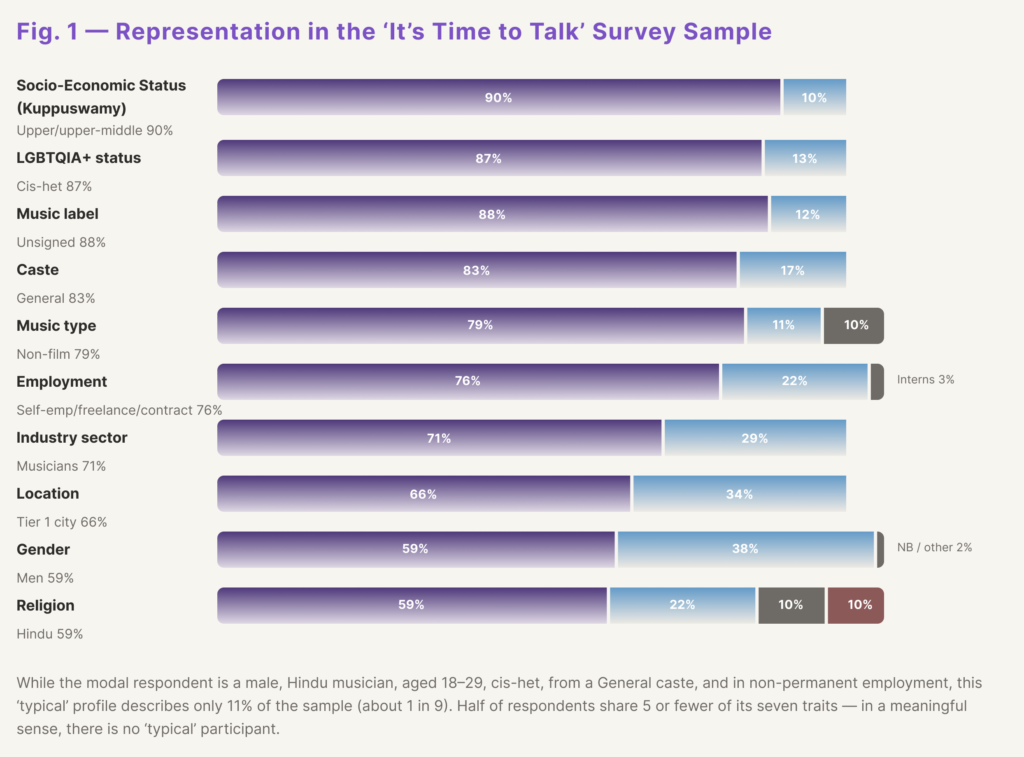
The research was conducted through an anonymous and confidential survey, covering not only mental health but also workplace experiences and some of the pressures associated with building a career in music. Respondents were asked about issues including discrimination, workplace sexual harassment, career success, suicide risk and access to mental health support.
The findings paint a concerning picture.
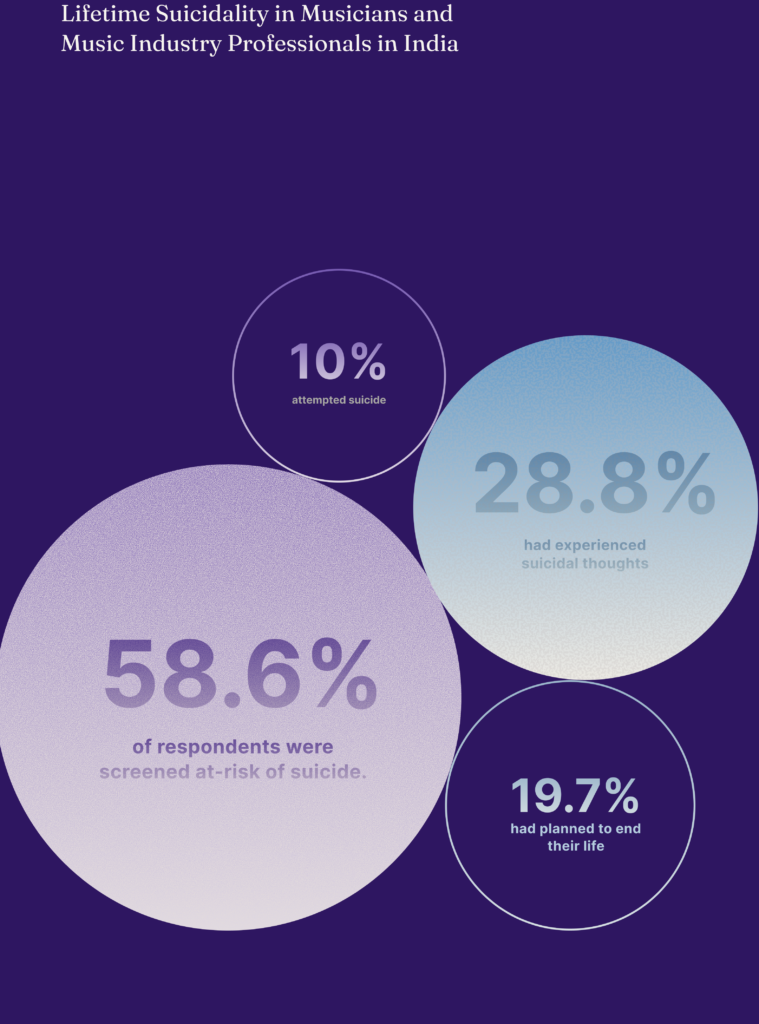
According to the study, 74.3% of respondents screened for abnormal psychological distress, while 38.7% screened for anxiety and 36.8% for depression. More than half of the respondents, 58.6%, were screened as being at risk of suicide.
The figures were particularly stark among LGBTQIA+ respondents. 89% were screened as being at risk of suicide, compared with 55% of straight or heterosexual respondents.
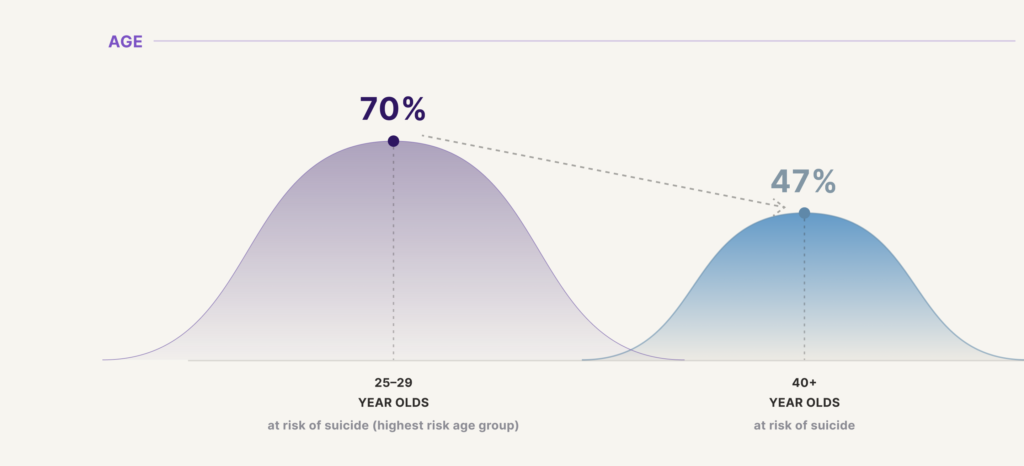
Age also emerged as a significant factor. Respondents aged 25 to 29 recorded the highest levels of anxiety, depression, psychological distress and suicide risk among the age groups examined.
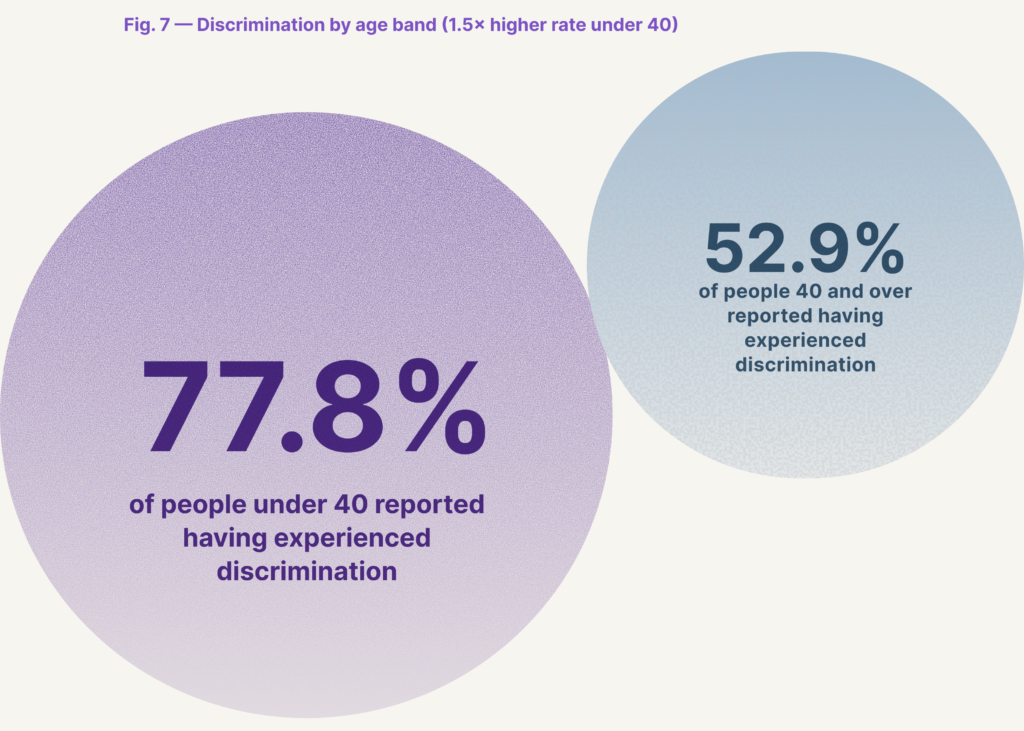
Discrimination was another major concern. 77% of respondents said they had experienced everyday discrimination, with the research finding an association between discrimination and every mental health outcome examined.
Beyond the numbers, the study also points to the wider pressures surrounding careers in music. The report describes this as a “crisis of occupational possibility”, referring to the difficulty of turning talent, commitment and a strong connection to music into sustainable and meaningful work.
For Megha Balani, Executive Director of Global Music Institute, the findings give the industry an opportunity to address issues that have often remained largely unspoken.
“Having worked closely with young musicians and music professionals over the years, many of the experiences reflected in this research are not unfamiliar, but seeing them emerge so clearly in the data is both powerful and difficult,” Balani said.
She added that building a professional and sustainable music industry also requires looking at the wellbeing of the people working within it.
“This research reminds us that an industry cannot truly be sustainable if the people building it are struggling to sustain themselves,” she said. “We now have an evidence base to have that conversation more honestly, and I hope we can use it to move from simply acknowledging the problem to creating meaningful change.”
The research was led by an international, interdisciplinary collaboration involving Global Music Institute in India, Goldsmiths, University of London, TATVA and Creative Empirical in the UK.
Dr. George Musgrave of Goldsmiths, University of London, said the research offers a clearer view of what is happening behind the growth and excitement surrounding India’s music sector.
“The Indian music industry is a fascinating, rich, diverse, and exciting place, but our research reveals a high level of suffering taking place beneath the surface,” Musgrave said. “We hope this much-needed data can be the first step towards driving meaningful change to protect those who are at the heart of the art, the musicians and music professionals at the centre of Indian musical life.”
The study also moves beyond identifying the scale of the problem to outline areas where the industry could respond. Its recommendations include greater access to specialist mental health support and regular screening, stronger action on discrimination and workplace sexual harassment, and better career support for musicians and music professionals.
For those starting out, the report highlights mentoring, peer networks and transferable skills as potential ways of improving career sustainability and widening occupational opportunities.
Oliver Durcan, Director of Creative Empirical, said the research also serves to bring together experiences that are often dealt with individually and privately.
“Experiences that were carried privately, and often alone, are set out here as a shared and measurable reality,” Durcan said.
The full report and accompanying resources are available at itstimetotalk.in.