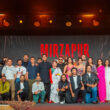

The 10th edition of All About Music brought together artists, labels, music companies, managers, publishers, streaming platforms, live-event professionals, technology companies and policymakers for three days of conversations around where the Indian music industry stands today and where it is headed next.
Across the sessions, a few ideas kept coming back: artists need greater access to opportunities, audiences are becoming communities, the live industry needs stronger infrastructure, rights and royalties remain critical, technology is changing the way music is made and consumed, and long-term careers cannot be built around numbers alone.
Day 1: From a growing market to a changing ecosystem
The first day opened with Tarsame Mittal reflecting on AAM’s 10-year journey and the people who helped build the conference. His opening session looked back at how the platform had developed and the role of relationships, curation and people in that journey.
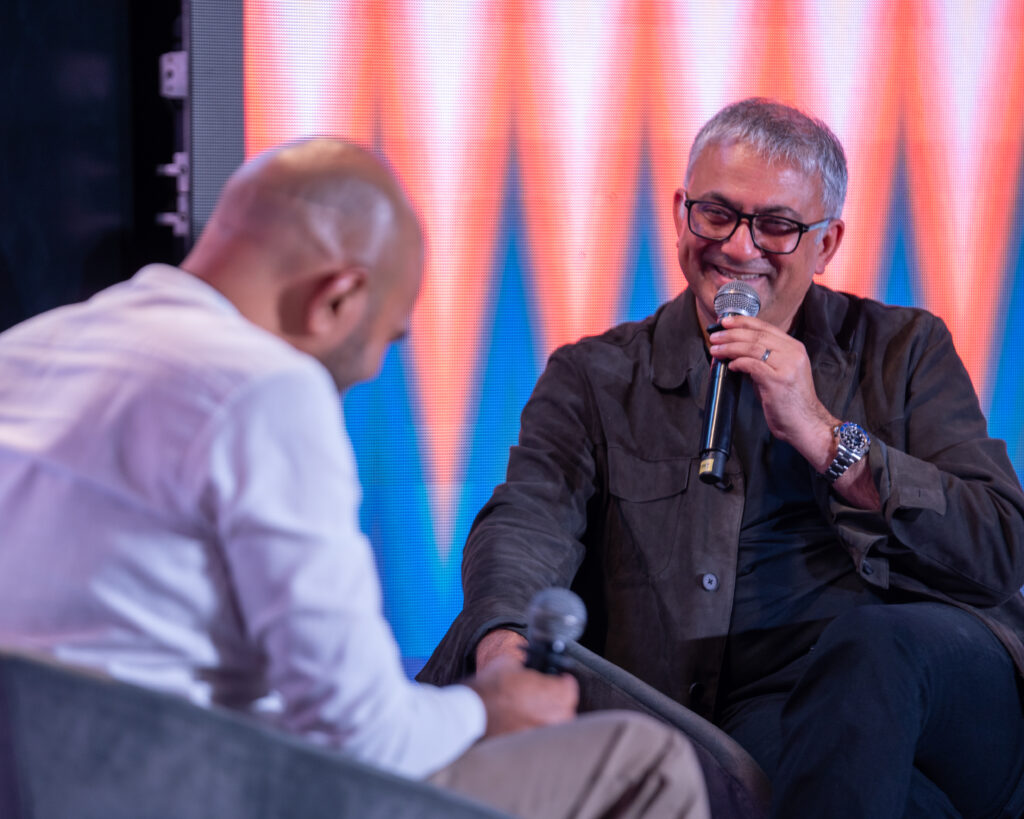
The wider conversation quickly moved to the state of the Indian music business. Saregama Managing Director Vikram Mehra discussed changing consumer behaviour, music subscriptions, AI, licensing, copyright and artist compensation. The discussion also touched on the challenges faced by young artists trying to understand whether a career in music can be sustainable.
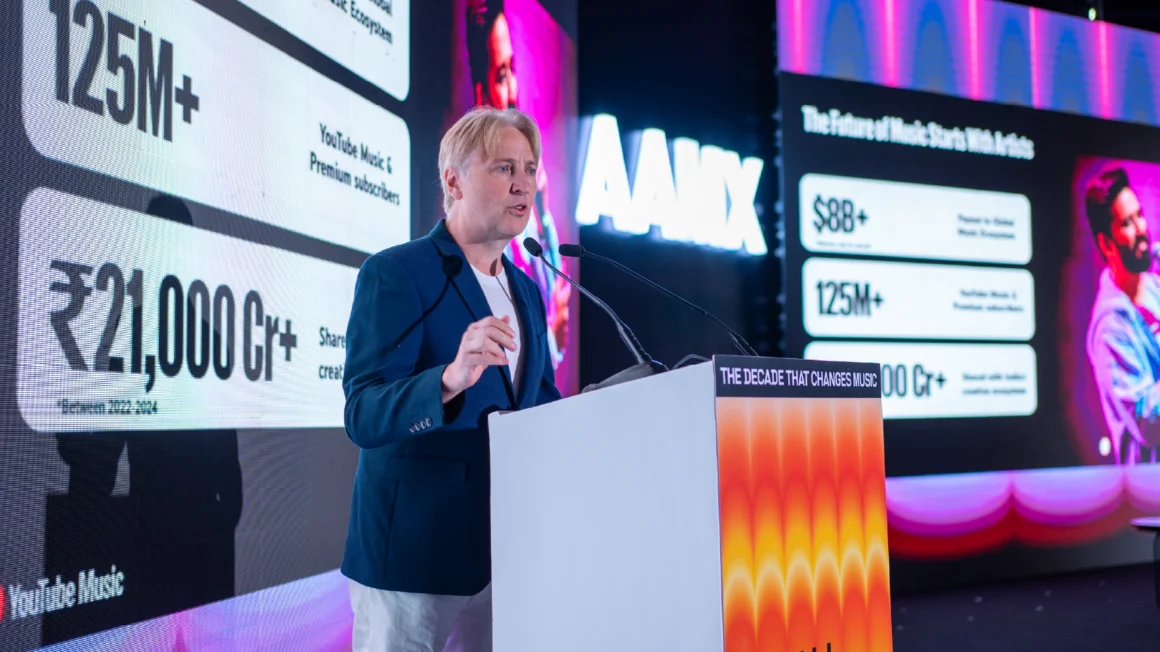
YouTube Music APAC Managing Director Paul Smith spoke about the changing relationship between artists and their audiences. Fandom, as discussed in the session, now extends beyond listening to music to include videos, merchandise, communities and other forms of participation. AI also came up, with the emphasis remaining on human creativity and artistic intuition.
Another recurring theme was India’s ability to take its music beyond its borders. The GiMA presentation looked at India’s changing musical identity and the movement from desi to global, while Mame Khan and Raja Kumari spoke about their own experiences with Indian music and international audiences.
The live industry also took centre stage. A panel on venues, infrastructure and operations examined the growing scale of live music in India and the shortage of suitable spaces. The discussion covered venue availability, ticketing, artist selection, insurance and government support, with the broader point that the live industry is growing faster than the infrastructure supporting it.
Elsewhere, AAM gave artists the opportunity to pitch music-led IPs to brands and venues. The session looked at what makes an idea scalable and commercially viable, with concepts spanning female-led live experiences, mehfils and qawwali, storytelling, immersive experiences and other formats.
The day also brought the business of fandom and artist development into focus. Believe India discussed releases and the changing streaming landscape, while Gaana and FENIX360 looked at building stronger artist-fan relationships across platforms. Chordfather Records presented an approach that brings together artist identity, A&R, production, visual direction, community and live experiences rather than treating a song as a standalone product.
The artist conversations brought the discussion back to the realities of making a career. Sunny M.R. spoke to emerging artists and producers about consistency, experimentation, pitching and the future of independent music. Ritviz discussed his musical influences and creative process, while Badshah spoke about longevity, ownership, independence and continuing to make music regardless of commercial outcomes.
By the end of Day 1, the picture was clear: India’s music business is no longer limited to recorded music. Streaming, live events, brands, technology, fandom, culture, IP and global audiences are increasingly connected parts of the same ecosystem.
Day 2: Looking beyond growth
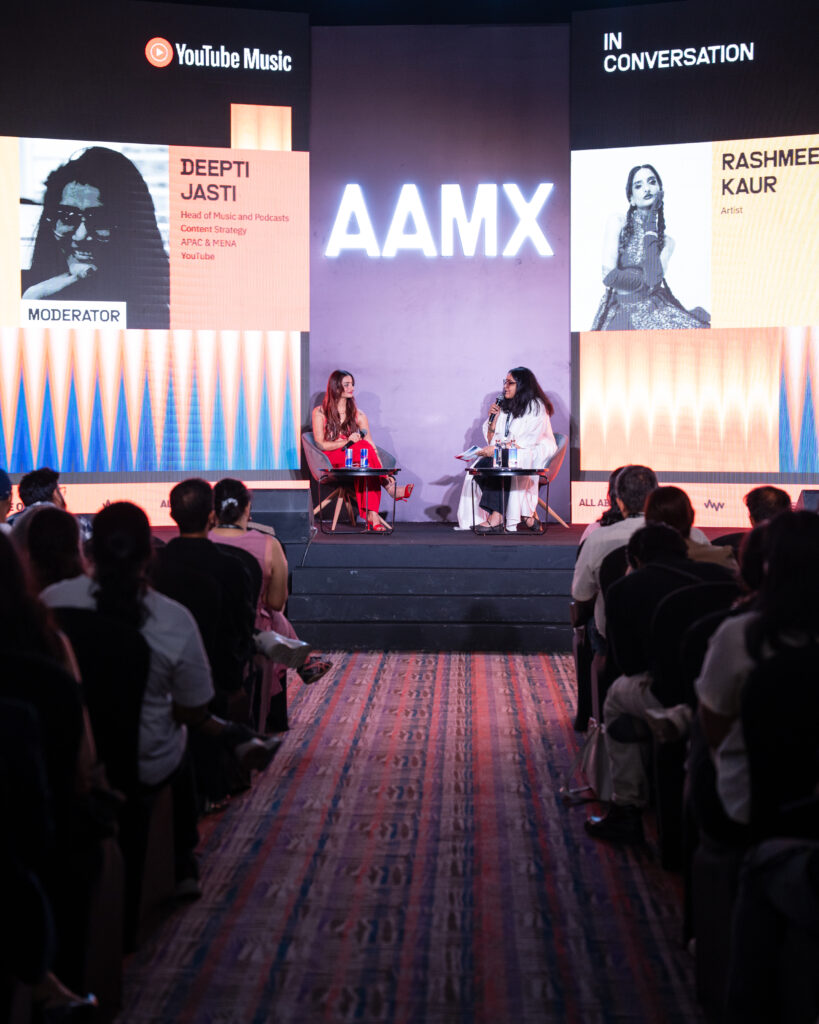
Day 2 shifted the conversation towards sustainability, data, rights and the business of building music careers.
Samit Garg’s session, What If There’s Another Way? – 10 Questions for the Next 10 Years, questioned whether the industry’s idea of growth is too often tied to making everything bigger and more expensive. The discussion looked at sustainable growth, meaningful experiences and the difference between attendance and genuine audience belonging. It also considered the value of building enduring IP rather than simply producing more events.
Data was another major part of the day’s conversations. Luminate’s deep dive into Indian music consumption looked at India’s position as a major streaming market and the growing importance of data in understanding audiences and making industry decisions.
The publishing and licensing discussions dealt with an area that remains essential but can often be overlooked by audiences: what happens to the rights behind a song. IPRS, Sony Music India, The MLC, YouTube and other participants discussed publishing, metadata, mechanical and performance rights, registration and royalty distribution. One of the clearest messages was that creators need to properly register and document their work.
The conversation around platforms also moved beyond simply counting streams. A panel on distribution discussed how teams look at listener behaviour, markets, repeat engagement and user-generated content rather than relying on stream counts alone. The aim, as described in the session, is to move audiences from distribution to discovery and eventually fandom.
That idea of fandom also appeared in the discussion around Outstation. The presentation looked at how a community can be built through direct interaction, pop-ups, touring non-metro cities and experiences around releases. The central approach was to build the fan base first and allow that community to eventually create opportunities for ticket sales and commercial partnerships.
The question of what actually defines a successful music career came up repeatedly. In the panel Is My Ladder Broken? Why We Need To Rethink Career Building in Music, Hargun Kaur spoke about the gap between having the talent to enter the industry and knowing how to navigate it once inside. The conversation covered copyright, publishing, revenue, networks and the need for music professionals to understand the business around their work.
The panel also challenged the idea that followers, streams or virality should automatically define career progress. Ritnika Nayan stressed the importance of building a loyal audience, while other speakers argued for artists defining their own metrics and career roadmaps.
The message was particularly relevant for artists at the beginning of their careers: a viral moment can create attention, but it does not automatically create a sustainable career. Building a genuine community and multiple revenue streams takes longer, but can provide a stronger foundation.
Day 2 also looked at the relationship between government, copyright and the music industry. The discussion around policy focused on the balance between protecting creators and allowing the market to develop, along with the need for better compliance, licensing, enforcement and industry research.
Day 3: Artists, audiences and the next generation
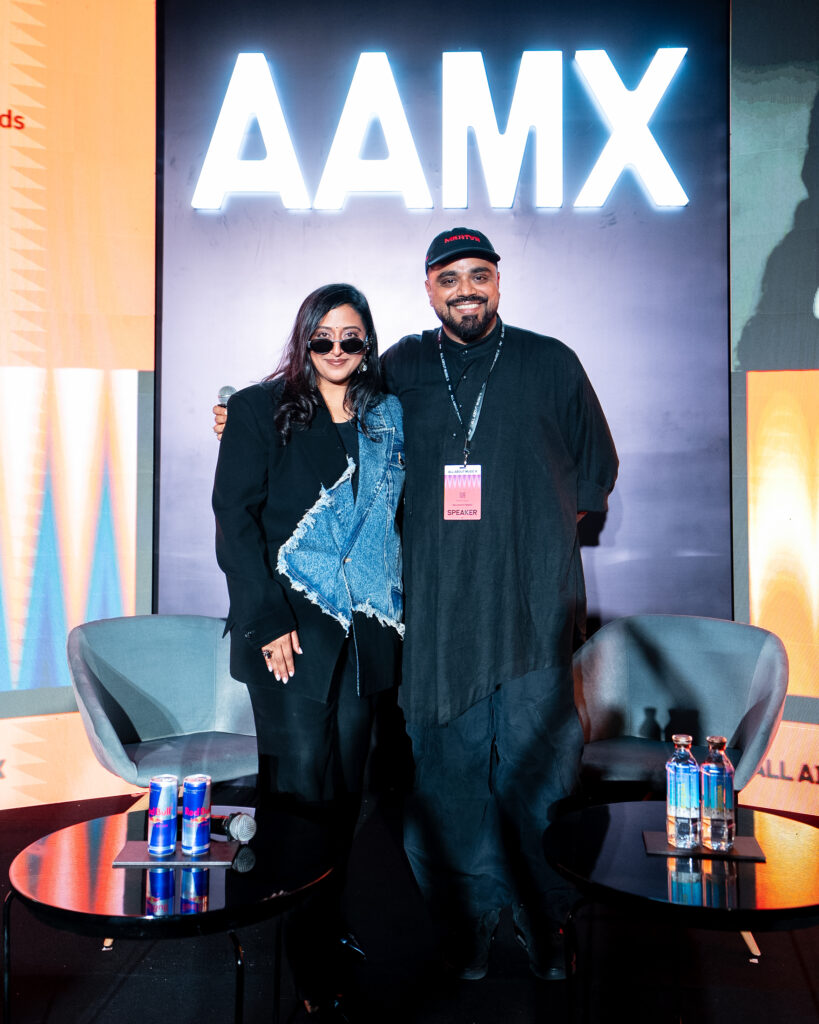
Day 3 brought some of those larger industry questions back to the artist and the audience.
In her Ask Me Anything session, Jasleen Royal spoke about her own path, from reaching out for opportunities early in her career to eventually working with Coldplay. Her advice to emerging artists was direct: put the work out, reach out to people and do not wait for opportunities to simply appear.
She also spoke about authenticity and the importance of allowing music to come from what an artist genuinely listens to, likes and feels. Rather than worrying about whether music is popular, niche, easy or difficult, she encouraged artists to focus on honest expression.
The session also addressed the gender gap across music creation. Jasleen pointed to the smaller number of women working in composition, songwriting, instrumentation, production and sound engineering compared with their visibility as singers. She also acknowledged the efforts being made to create greater opportunities and representation.
The campus circuit was another major focus. The panel The Campus Circuit: India’s Most Underrated Music Industry Platform looked at college shows as more than performance opportunities. With some campus events attracting 15,000 to 20,000 or more students, the circuit gives artists access to young audiences while giving brands a direct connection with students.
For Shalmali Kholgade, campus shows are an opportunity to build a complete performance around music, visuals and storytelling. Nucleya spoke about the responsibility to expose young audiences to different sounds, while Aditya Rikhari discussed adapting his sets to the mood and expectations of campus audiences.
The commercial side of the campus circuit was equally important. Himanshu Chaudhary spoke about using campus shows to build audiences and enter new regions, while Ankit Jain argued that brand partnerships should create memorable experiences rather than simply place logos on a stage.
Music media was another part of Day 3’s discussion. Billboard India’s COO Preeti Nayyar spoke about plans to build a broader platform for artists, music professionals, fans, writers and brands. The discussion included the planned introduction of Billboard charts in India, with an emphasis on getting the data, metadata and measurement systems right before the charts are launched.
She also discussed bringing more Billboard formats and IPs to India, while building a music-media platform where artists can be discovered and their stories documented.
Three days, one larger conversation
Across the three days, AAM X showed an Indian music industry that is expanding, but also one that is still working through some fundamental questions.
How do artists move from discovery to sustainable careers? How can the industry build stronger audiences rather than chase numbers? Where will the next generation of artists find opportunities? How should technology and AI be used without losing the human part of music? How can rights, royalties and licensing become easier to understand and enforce? And as live music grows, where will those audiences experience it?
The sessions did not offer one answer to all of these questions. Instead, they showed how closely connected they are.
The discussions around artists, platforms, fandom, live music, technology, rights, media and policy all pointed towards an industry that is becoming more interconnected. At the same time, the conversations repeatedly returned to some basics: create good work, understand the business around it, build relationships, know your audience, protect your rights and think beyond the next release or the next number.
That may have been the most consistent thread running through AAM X: the Indian music industry is growing, but its next phase will depend not only on how much it grows, but on how well the ecosystem around its artists grows with it.