





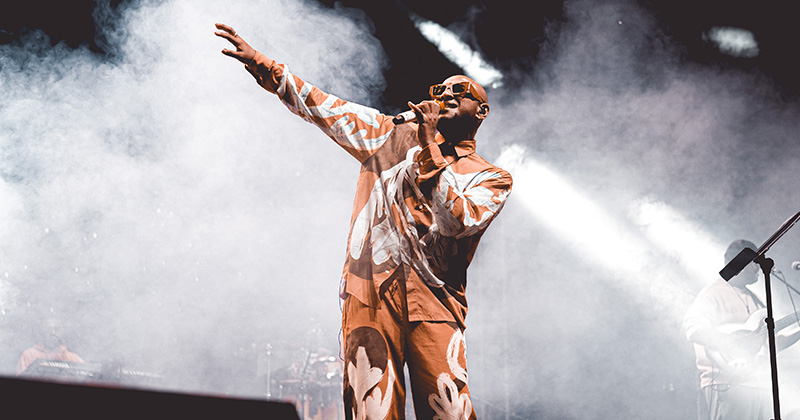
Few Indian playback singers have navigated as many industry resets as Benny Dayal. From an era dominated by a handful of voices to today’s creator-first, platform-driven ecosystem, his career spans physical sales, streaming, social media discovery, and the post-pandemic explosion of independent music. In this conversation, Dayal reflects on what longevity really means when the system keeps changing.
From gatekeeping to access
Looking back over nearly two decades, Dayal sees the biggest shift as one of access. Playback singing, once concentrated among a small group of established voices, gradually opened up as composers began introducing new singers and audiences became more receptive to fresh talent. That change, he says, gave younger musicians the confidence to pursue music full time rather than treating it as a side path.
Social media accelerated this transition. Platforms became informal audition spaces where singers were judged not only on vocal ability, but on personality, presence, and how they presented themselves. The pandemic then pushed the shift further. With studios closed and film work stalled, a generation of artists began writing, producing, mixing, and releasing their own music. For Dayal, this marked a decisive move away from waiting for film opportunities toward building complete, self-driven music careers.
“It is no longer just playback,” he notes. “It is a full music industry now.”
When longevity rules changed
Asked when the rules of career longevity shifted most clearly, Dayal points to the pandemic period. Suddenly, anyone with basic tools could record at home, release covers, reinterpret existing songs, and reach large audiences. That accessibility soon translated into original music, virality, and a new ecosystem of single deals, album deals, and label partnerships that borrowed heavily from Western models.
More importantly, artists stopped waiting to be introduced by films. They began introducing themselves. Writing and producing one’s own music, Dayal argues, is now central to building a long-term career. Playback has become one part of a wider identity rather than the entry point.
Vocal identity through shapeshifting
Unlike many artists who worry about protecting a fixed vocal identity, Dayal sees versatility as his signature. From “Pappu Can’t Dance Saala” to “Kaise Mujhe Tum Mil Gayi” to producing and performing “Let’s Nacho,” his approach has always been song-first.
For him, shapeshifting is not dilution but protection. The key is conviction. Singing only what the song demands, and doing it in a way that feels honest, creates a space no one else can occupy. Longevity, in this view, comes from being adaptable without sounding opportunistic.
Selectivity in the age of volume
Earlier in his career, visibility came from fewer but larger releases. Today, consistency often rewards frequent output. Dayal says experience has made decision-making easier. Having spent years saying yes, he now feels comfortable declining projects that feel repetitive or fail to excite him creatively.
What draws him in is experimentation. New sounds, he believes, often emerge from artists willing to take risks rather than follow existing playlist formulas. Saying no, in this context, is less about status and more about staying creatively engaged.
Redefining success
Dayal’s definition of a successful year has shifted significantly. While releases, numbers, and visibility still matter, they are no longer the sole markers. Mental health now plays a central role in how he measures progress.
He describes artists as batteries that need to pause, recharge, and reset. Writing music, learning, or even stepping back from releasing can still constitute a successful phase. Sales and streaming numbers remain attractive, but they are subjective and personal rather than absolute indicators of success.
Portfolio careers and personal truth
On whether playback singers must now operate as portfolio artists balancing films, independent music, live shows, and brand work, Dayal resists prescribing a single path. Authenticity, he insists, matters more than balance.
Some artists thrive by focusing on one area. Others benefit from diversification. For Dayal, the ideal cycle involves working intensely, stepping back to learn something new, being willing to struggle, and then returning stronger. Live performances can fund independent releases. Film work can amplify reach. None of it is mandatory, but all of it can coexist.
Old songs, new audiences
Streaming has extended the life of older songs, but Dayal is cautious about leaning too heavily on reinterpretation. Revisiting past work can be meaningful if the soul of the song is respected. However, he feels strongly that audiences deserve new music, especially in a country as culturally rich as India.
Longevity, in his view, is not sustained by recycling the past alone, but by continually adding to the present.
Resisting trend pressure
With platforms rewarding familiarity, the pressure to sound like what is already working is real. Dayal’s response is simple. Go left of centre. When too many voices converge on the same sound, originality becomes the differentiator.
Staying true to one’s own voice, working sincerely, and resisting short-term trends may not guarantee instant results, but he believes it is the only approach that endures.
A note to the next generation
For singers entering the industry today, Dayal sees a dangerous fixation on immediate fame. Recognition, he says, rarely arrives quickly unless paired with exceptional talent or relentless output over time. There is no final destination, only a continuous process.
His advice is direct. Do not chase fame. Focus on becoming a good musician. Build a vision for your career. Everything else follows from that foundation.
In an industry that keeps reinventing itself, Dayal’s career offers a clear lesson. Longevity is not about clinging to a system as it was, but about evolving faster than it resets.


