





Global artist development company Believe has partnered with Hoopr Smash to make its Indian music catalogues available for commercial licensing by brands, agencies and content creators. The partnership brings together music from Think Music, Ishtar and Believe’s Artist Services division, including labels BL/UR, Mahra Tora and neue.
The catalogues cover Tamil film soundtracks, Hindi film classics and independent music, giving brands access to established tracks for micro-sync licensing across digital content and campaigns.
Among the additions are Sanju Rathod’s Shaky, which has accumulated over 850 million YouTube views, Aasa Koodawith over 450 million views and Katchi Sera with more than 277 million views. The catalogue also includes film soundtracks from Vikram Vedha, Kabali, Baazigar and Dhadkan.
A notable addition is music from 1990s Hindi cinema, with tracks from films including Baazigar, Dil Se, Mohra, Yes Bossand Satya now available for licensing. The inclusion of these catalogues gives brands access to music with established cultural recognition, while extending the commercial use of older film soundtracks.
Hoopr Smash currently serves over 135 brand clients, including Pilgrim, Traya, Myntra, Libas, Rajasthan Royals, Delhi Capitals, Gujarat Titans and Bharat Matrimony. With Believe’s addition, the platform’s catalogue now includes music from more than 23 Indian labels and three international labels.
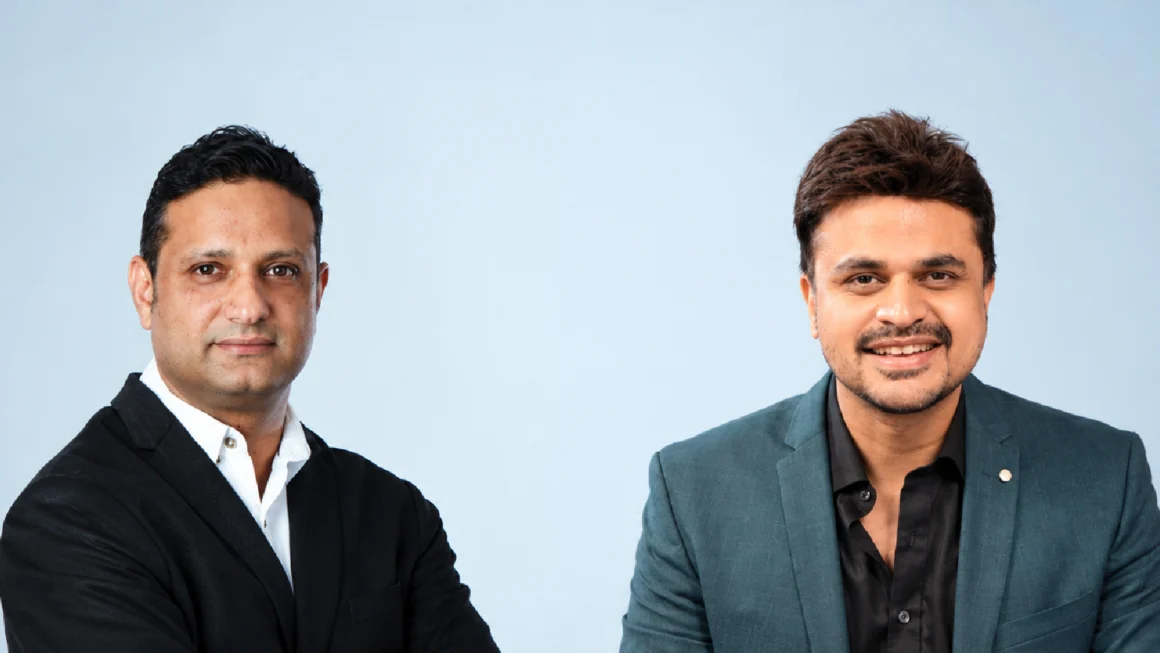
Vivek Raina, Managing Director, India and South Asia, Believe, said the partnership aligns with the company’s focus on expanding licensed music usage across streaming, social platforms and commercial applications. He added that making catalogues accessible to brands creates additional revenue opportunities for artists and labels.
Gaurav Dagaonkar, Co-Founder and CEO, Hoopr, said the partnership will give brands access to a wider range of familiar music while creating a structured licensing route for rights holders to monetise their catalogues.
Tracks from Believe’s catalogue are available on Hoopr Smash.
The partnership highlights an important opportunity in India’s music business: the commercial value of existing music catalogues beyond streaming and traditional sync placements.
As brands increasingly use popular music to build familiarity and cultural relevance into their digital campaigns, access to recognisable tracks can become a valuable licensing proposition. For rights holders, this creates another route to generate revenue from music that already has an established audience.
However, the larger opportunity lies in how much of this demand can translate into meaningful earnings for artists, labels and other rights holders. Making licensing easier for brands is a useful first step. The long-term measure of success will be the scale of adoption, the transparency of licensing arrangements and how effectively the resulting revenue reaches the people behind the music.


