


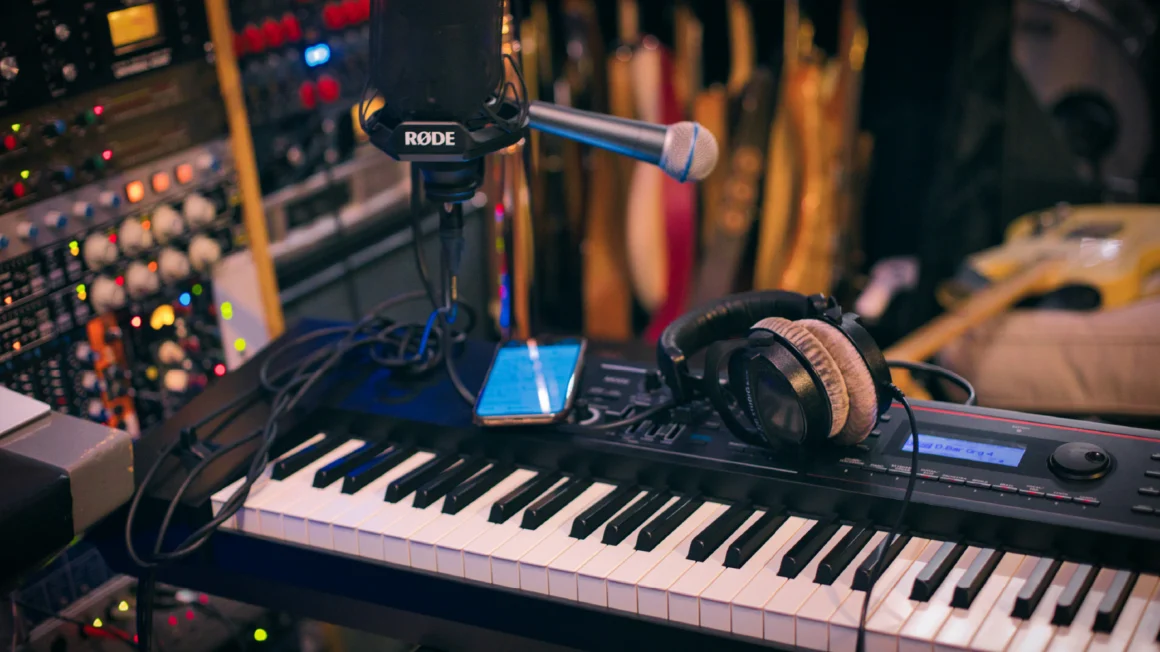
Professional music creation and production, in India, has traditionally been around the film industry. Film music sustained large recording studios such as Famous Studios, Film Center and Western Outdoor in Mumbai, with Famous Studios dating back all the way to the late 40s. This ecosystem supported generations of musicians, engineers and composers with exceptional livelihoods.
This isn’t the industry we know today though.
While some of the older studios were able to adapt and still exist today, the role of the modern day studio has shifted drastically. Through the years, a parallel professional music economy, without a dependence on film music, had quietly formed, which with the advent of the digital era today has expanded beyond independent artists to regional music, streaming, advertising, branded content, live entertainment, OTT, social media and other forms of digital content. There are now more reasons than ever before to make music professionally, outside the traditional film pipeline.
From where I sit, running a commercial studio facility in Mumbai and working closely with young producers and engineers entering the industry, this shift grew exponentially during and post covid. Today, most studios may move between an independent artist’s record, an advertising project, music producer sessions, a podcast, someone shooting a reel, a mix or master, and even working for a remote international client due to the significantly lower price offering in the Indian market. All of these might now probably happen within the same week.
This diversity is important, because it changes what the Indian music production industry actually is. A laptop, an audio interface and relatively affordable software can now give a young kid access to production capabilities that would once have required an expensive studio. One of the biggest myths is that this bedroom studio has replaced the professional industry. While it has been one of the biggest catalysts in the democratisation of the music industry, with an ever increasing number of people writing, recording and releasing music, it would be easy to conclude that this makes professional studios less relevant. Let’s look at it through another lens for a minute.
Technology has lowered the barrier to starting music. It has not eliminated the value of professionally finishing it. As artists become more ambitious, they begin to encounter areas and problems that only an experienced professional can solve for them. Recording isn’t about pressing a button, production isn’t solely programming but the entire process, mixing isn’t a title in your bio, and mastering isn’t slapping and cranking a limiter. Most senior engineers I know, some of the best in our professional circuit, don’t refer to themselves as mastering engineers. You could say it’s the misfortune of a generation that unfortunately had to skip due process with years of covid, and were thrust into learning the art themselves.
The professional studio therefore has a different role today. It is less of a gatekeeper to music creation and increasingly a specialist environment for collaboration, performance, problem-solving and quality control. That is a healthy change.
India currently has extraordinary consumption, enormous creative output and a young audience, but the amount of economic value captured from that consumption still has considerable room to grow.
The wider media economy is moving in the same direction. Digital media is now the largest segment of India’s media and entertainment sector, while OTT, digital advertising, gaming, live entertainment and social platforms continue creating new contexts in which professionally produced music and audio are required. This is why the development of music production cannot be measured only through record-label revenues. The engineer, producer or composer of the future may earn from ten different types of projects rather than one traditional employment relationship.
There is, however, an important distinction between an industry becoming larger and becoming more professional. India has no shortage of talent. What we need to continue building are the systems, learning structures and knowledge bases that empower that talent. Indian producers and engineers have the ability to exceed their global counterparts. We already have many of the ingredients: exceptional musicians, technically skilled engineers, producers working across genres, a mature independent film and advertising ecosystem, internationally experienced professionals and a cost structure that can be highly competitive globally. What determines whether that becomes a serious export opportunity is consistency.
One of the most important requirements is for us to stop thinking of Indian music production solely as a supporting function of one of the other entertainment industries. Film will remain enormously important. Bollywood and India’s many regional film industries will continue providing work, talent and cultural influence, but they can be part of a much larger ecosystem rather than the ecosystem itself.
Today, Independent artists can build audiences directly. Producers can work internationally without leaving India. Engineers can mix records made thousands of kilometres away. Regional-language artists can reach listeners far beyond their home states. Music can generate value through recordings, publishing, live performance, sync, brands, games, social platforms and formats that may not even exist yet.
The technology for that future is already here. The audience is here. The creative talent has always been here.
The next stage is to treat music production in India not simply as something that happens behind Bollywood, but as an industry capable of standing confidently on its own, and supporting it with the required infrastructure.
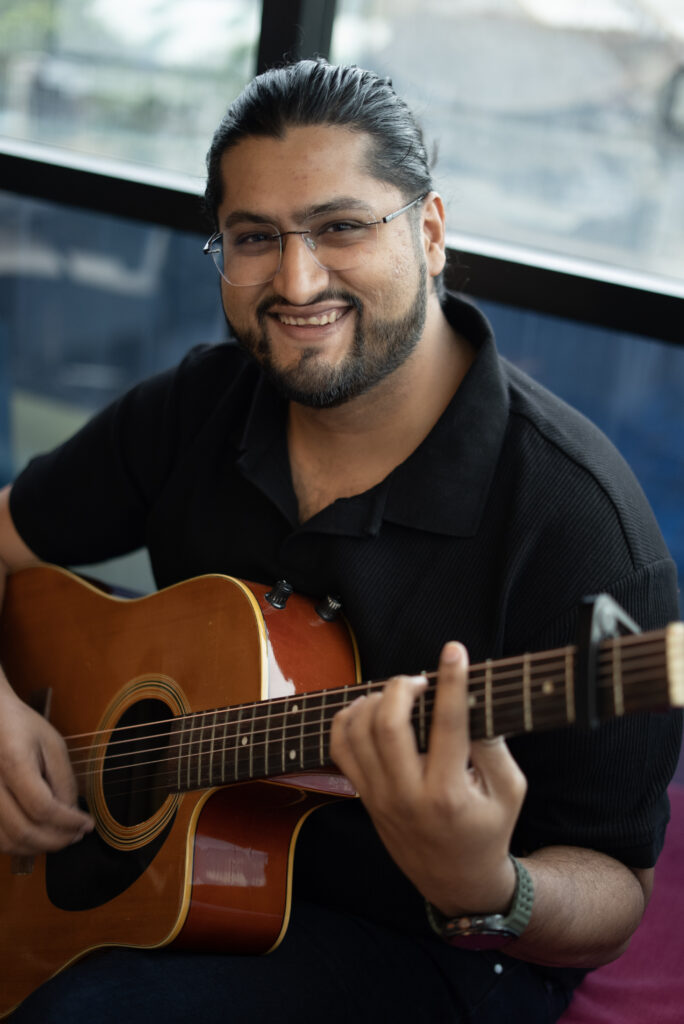
About the author: Varun Parikh is the Chief Engineer & Director, Bay Owl Studios and the Institute Director, Abbey Road Institute Mumbai. This article is published as a guest contribution. The opinions expressed are solely those of the author and are intended to encourage discussion within the music industry.