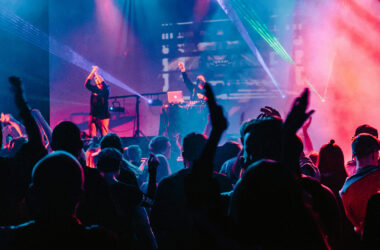

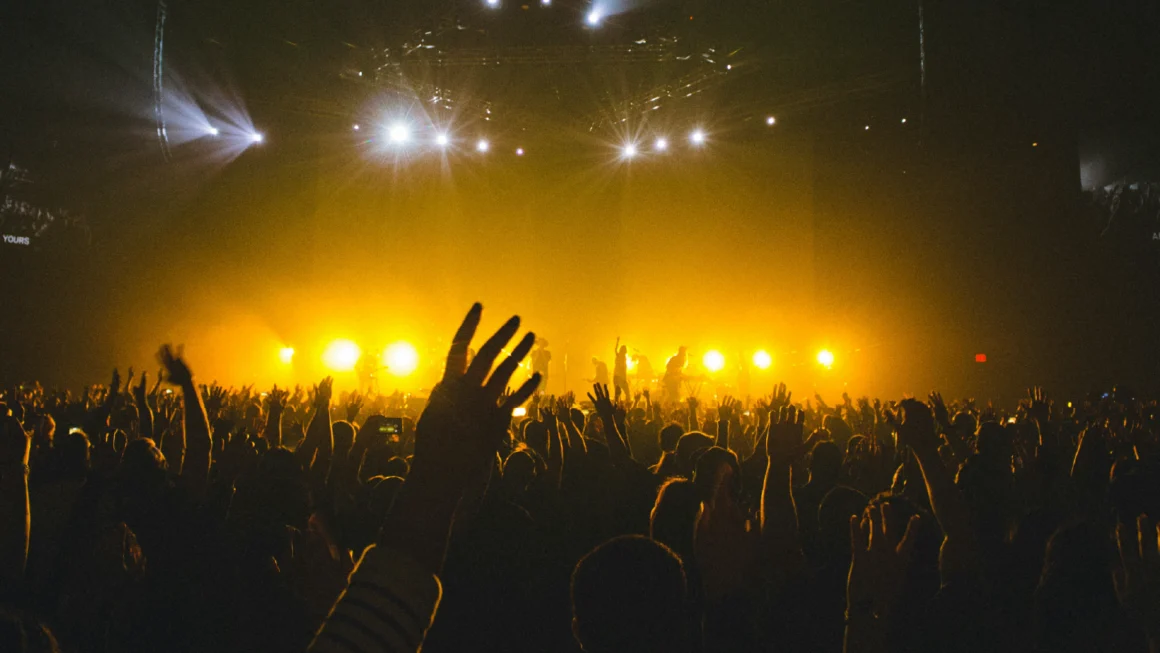
In December 2010, I stood just off the side of a stage in Pune and watched the band Asian Dub Foundation (ADF) close the first ever NH7 Weekender. There were about 3,000 people in the audience, and every single one of them was dancing like the rest of the world had stopped existing. I remember it being one of the happiest moments of my professional life. I had co-founded the festival with a conviction that India was ready for a multi-genre festival that treated its audience like grown-ups.
That night, after the ADF set, I walked on stage and thanked the crowd, the artists, and everyone who had helped put it all together. Arvind Krishnan, who was then GM of Marketing at Bacardi India, committed publicly, in front of those 3,000 people, that Bacardi would continue to back the festival as a sponsor. That was the moment I knew NH7 had a future. The audience roared. The team exhaled. Year one was done, and it felt like the hardest part was behind us.
It was not.
Five years later, I did something similar again. As Co-Founder of Weirdass, I ran and expanded the second edition of the Weirdass Pyjama Festival, one of India’s first large-scale comedy festivals, stretching it across a full week of shows in multiple cities, with a grand finale that put close to thirty comedians back to back on a single stage.
The audience was on its feet, the comedians were feeding off each other, and every person involved in putting the festival together felt the same rush I had felt in Pune five years earlier. That unmistakable high, the validation, the applause, the sense that you have built something that matters.
What nobody tells you, and what no amount of year-one euphoria prepares you for, is that putting together an event and sustaining a festival IP are two completely different skills. The first requires vision, nerve, and enough goodwill to get people to show up for something that has never existed before. The second requires infrastructure, institutional patience, and a market that doesn’t actively work against you. In India, that second part is where most festival IPs go to die.
I have watched this happen more times than I can count. Ragasthan, a beautifully conceived desert camping festival in Jaisalmer that banned plastic, refused sponsor logos on stage, and genuinely tried to do things differently, managed three editions spread across eight years before it effectively disappeared.
Electric Daisy Carnival (EDC), one of the biggest electronic music festival brands in the world, brought its full production to India in 2016 with Budweiser behind it, drew 15,000 people to the Buddh International Circuit, and never came back for a second edition.
Enchanted Valley Carnival (EVC) ran five editions from 2013 with Universal Music India as a partner, built a genuine camping community at Aamby Valley, drew 25,000 people in its fourth year, and then lost its venue entirely when the Supreme Court ordered Aamby Valley auctioned due to the Sahara Group’s legal troubles.
The festival never recovered. VH1 Supersonic, which had Viacom’s media muscle and ran through multiple editions from 2013, has been dormant since 2023 with no indication it is returning. These are not fringe efforts that nobody noticed. These were ambitious, well-funded, well-conceived festivals with real audiences, real partners, and real cultural impact, that are now gone.
Why is nobody in the industry asking how many festival IPs have launched in India over the past fifteen years, and how many of them still exist? The answer is that nobody knows, because nobody tracks it. There is no Indian body that does for music festivals what the UK’s Association of Independent Festivals does, count how many exist, how many launched, and how many are gone. No industry body, no FICCI report, no trade publication maintains a ledger of festival IPs born and festival IPs lost. The live events market celebrates its headline growth, and that growth is real, but it does not distinguish between a sold-out arena show that will never return and a festival that is building a lasting cultural institution.
The reasons festivals fail here are almost always structural, not creative. NH7 Weekender, running since 2010, was cancelled by police in Pune in 2024, hours before gates were supposed to open. Sunburn, which has run in Goa since 2007 as India’s longest-running electronic music festival, has been denied government permission multiple times and was eventually forced out in 2025. These are established properties that can still be dismantled by a single administrative decision. A festival cannot build a loyal, returning community if that community cannot trust that the event will actually happen. Regulatory uncertainty in India is not a risk factor. It is a structural barrier.
Then there is the sponsorship challenge, and it is one I know intimately from building festival IPs. Most brand sponsorships in India are structured as annual media buys, a logo on the stage, a branded activation zone, a line item in someone’s marketing budget that gets re-evaluated every twelve months when a new campaign brief arrives or a new marketing head takes over. That is not how you build a festival. A festival IP needs partners who say “we believe in this property and we are going to grow with it.” That kind of thinking remains rare in India, and combined with the near-total lack of purpose-built festival infrastructure anywhere in the country, it explains why festival IPs cannot plan beyond a single edition with confidence.
Now look at what the survivors have in common. Mahindra Blues has run in Mumbai since 2011 because it has what most Indian festival IPs never find, a patron sponsor. Mahindra has committed to the blues community as something the brand genuinely identifies with, not as a media buy it re-evaluates each quarter. It survives because the sponsor’s commitment goes deeper than a logo placement. It is a relationship with a community, renewed year after year.
Ziro Festival in Arunachal Pradesh has survived since 2012 by building its identity around location and ecology rather than chasing lineup arms races. Bandland in Bengaluru is still young but is running tight, genre-specific programming that prioritises identity over scale. And Lollapalooza India arrived with a global franchise, international booking infrastructure, and deep enough corporate backing to absorb the years it takes to establish a new market. Its fourth edition in January 2026 drew an estimated 65,000 people, with attendance growing every year since launch. When the infrastructure and the long-term commitment exist, Indian audiences show up.
The pattern is consistent. You survive by having a patron sponsor who believes in what you are building, by staying niche and identity-driven, or by arriving with institutional backing deep enough to weather the early years. The middle ground, Indian-born, independently funded, ambitious but without the long-term commercial commitment to sustain it, is where events generally fail. And that word matters. A festival IP is not an event. An event is a one-time experience. A festival IP is a marriage with a community of people who all value the same things. Until the Indian industry learns to tell the difference, it will keep organising events and wondering why they don’t come back.
But this does not have to be an obituary. The appetite for live experiences in India is real and growing. What is missing is the patience, the structure, and the partnership models that turn a great first edition into an institution. When I was building NH7 and the Weirdass Pyjama Festival, the hardest lesson was that the audience you build in year one will only come back if you give them something deeper than a lineup to return to. The festivals that will survive in India are the ones that build a year-round relationship with their audience, that maintain a cultural identity beyond the main stage, and that find partners willing to invest in a community rather than a campaign.
Artists too need to rethink their relationship with festivals. A festival slot is not a payday. An artist who returns to the same festival across multiple editions, who becomes part of its identity and its story, is investing in the ecosystem that sustains their career. The relationship between a festival and its returning artists is one of the most undervalued assets in the Indian music industry. Artists get introduced to new audiences and can experiment alongside other artists in a way no solo stage allows. When an artist treats a festival as a creative home rather than another stop on a touring schedule, they are helping build a community that will keep buying tickets to their individual shows too.
The goal of a festival should be to have audiences buy their tickets before a single artist has been announced, because the community itself has become the draw. If your audience needs to see the lineup before they commit, you have not yet built a festival IP. You are still selling a concert or an event.
I think about that night in Pune sometimes. Three thousand people, ADF on stage, a sponsor committing to the future in front of the crowd. Everything that came after, the Bangalore and Delhi editions, the years of crisis management and logistics and negotiations, none of it was visible from that stage. Year one gives you the conviction that something important has just been born. The real question is whether the industry around it, the regulators, the artists, the sponsors, the infrastructure, is willing to let it grow up.
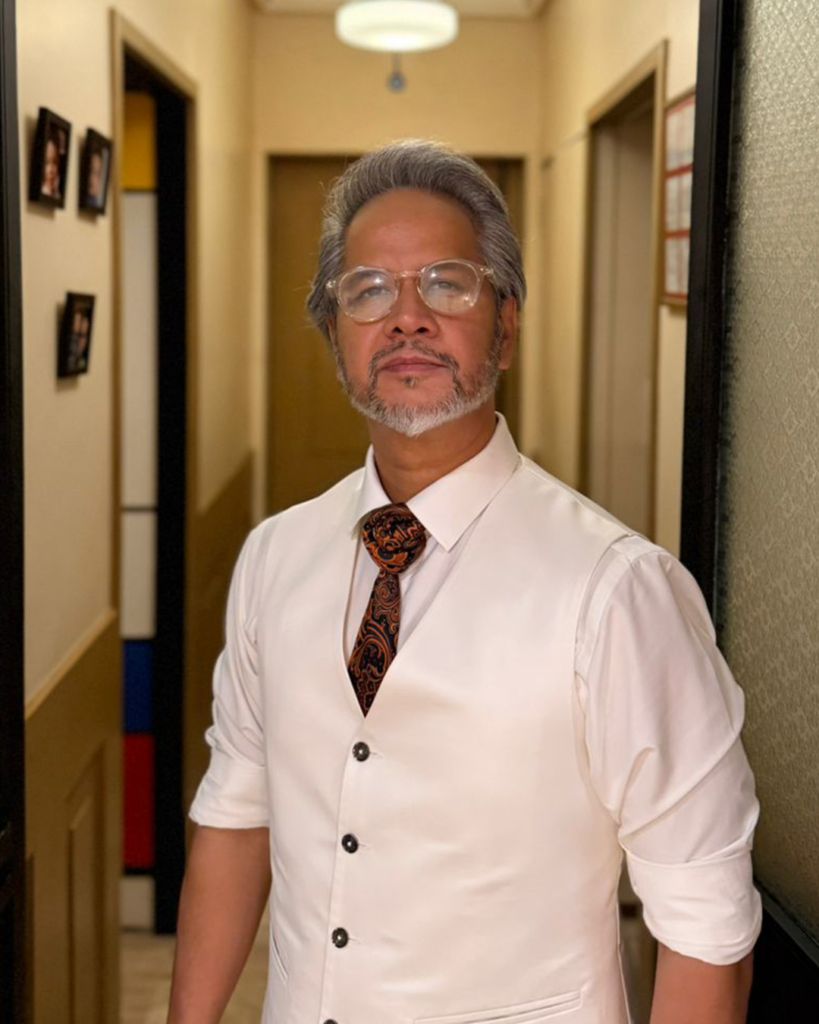
About the author: Girish ‘Bobby’ Talwar is the Founder of Rebellion Management. This article is published as a guest contribution. The opinions expressed are solely those of the author and are intended to encourage discussion within the music industry.